
Keeping Every Step Light: Crafting Tea Dance Playlists Seniors Love
Today we explore music programming for tea dances—tempo, era, and genre choices that keep seniors moving—with an approachable blend of practical tips and heartfelt stories. Expect BPM guidance, era highlights that spark memory, gentle pacing strategies, and inclusive selections that welcome mobility differences, solo dancers, and couples, so every guest leaves smiling, relaxed, and pleasantly tired rather than overwhelmed.


Reading Energy Waves
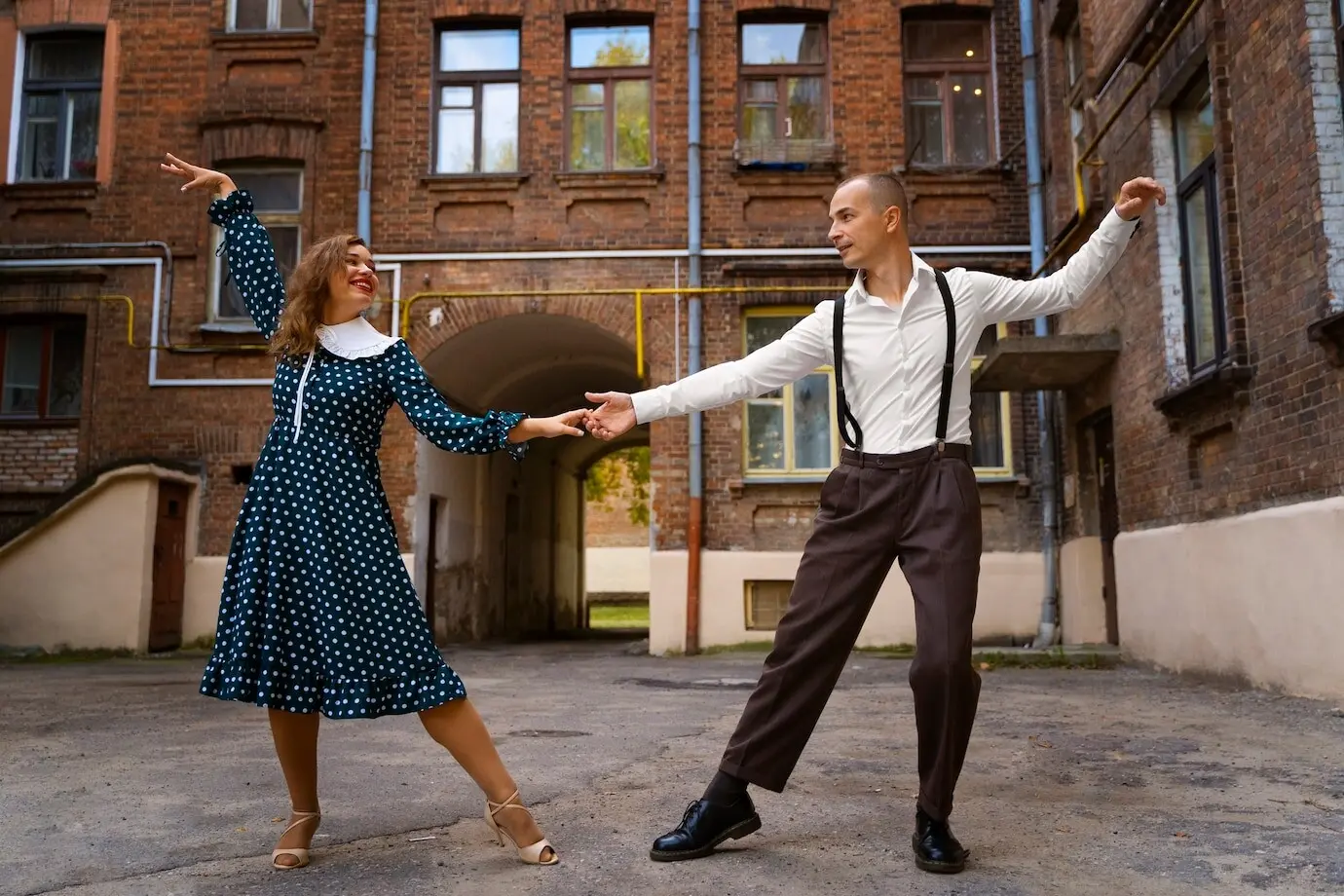
Energy rises gently after the first cup is set down, peaks before tea is served, and softens into conversation toward the end. Start with familiar mid-tempo standards, add a few brighter swing or quickstep moments at the crest, then land with warm ballads. Watch posture, chatter, and smiles; these tiny signals reveal whether to stretch the moment or shift to a more restful groove.
Mobility-Friendly Choices
Select rhythms that welcome small steps and clear patterns. Slow foxtrots, mellow rumbas, and easy waltzes let walkers or seated participants sway comfortably without strain. Announce chair-friendly options and keep intros unhurried, so everyone can join safely. A gentle two-beat pulse, audible bass, and a supportive crooner vocal often turn hesitation into confidence, letting grace bloom in modest, dignified movement.
Tempo That Feels Like a Hand to Hold
Tempo is comfort. It guides breathing, stride length, and confidence. Too slow becomes lumbering; too fast feels unsafe. Target ranges that meet bodies where they are, then adjust in small steps. Announce quick changes so no one feels rushed. When transitions are thoughtful and the beat is steady, dancers relax into the moment and the floor becomes a community moving together.
Comfortable BPM Ranges by Style
Aim for friendly zones: foxtrot around 108–118 BPM, waltz near 84–90 BPM (in 3/4), rumba 96–104 BPM with a relaxed feel, cha-cha 118–124 BPM if mobility allows, gentle swing or jive 120–132 BPM, and quickstep only sparingly. Always watch the room. If steps shorten or shoulders tense, you are already too brisk. Trim five beats per minute, breathe, and try again.
Transitions That Glide, Not Jolt
Move between tempos with neighboring steps—foxtrot to lighter swing, swing to a sashaying rumba, rumba to a caressing waltz. Use endings and count-in cues that telegraph the next mood. Avoid clustering fast tracks. Alternate brighter tunes with recovery selections so lungs, knees, and smiles never crash. When in doubt, a mid-tempo classic acts like a lovely handrail between peaks.
Managing Speed with Bands and DJs
Live bands should use reference tempos, light click cues, or agreed count-ins to prevent drift. DJs can grid tracks in advance and label safe ranges. If a beloved original runs too fast, seek a tasteful cover or subtly pitch-shift without altering warmth. Never let technical options override comfort; the goal is a steady, humane pulse that preserves clarity and confidence.
The Swinging Forties
Glenn Miller, Benny Goodman, and the Andrews Sisters remain irresistible. A smooth swing at a careful tempo lets hips sway without hustle. Instrumentals with strong brass lines support confident timing; buttery crooner vocals settle nerves. Avoid overly frenetic war-time tempos unless the floor is clearly asking. Pair bright numbers with breathers, keeping the sweetness of the era without exhausting precious energy.
Rock ’n’ Roll Sparks
Fifties rock and early sixties jive bring twinkles to eyes, but keep tempos modest and phrasing clear. Choose friendly shuffles, gentle boogies, and known choruses that cue movement early. If kicks appear, encourage safer alternatives like small triple-steps. Nostalgia thrives when the beat welcomes every shoe, from dance sneakers to polished loafers, transforming enthusiasm into safe, joyful motion rather than risky leaps.
Genres and Dances That Fill the Floor
A varied palette keeps bodies fresh and hearts engaged. Alternate ballroom staples with light Latin, sequence favorites, and occasional line dances that welcome solos. Keep instructions brief, demonstrate a tiny pattern if needed, and repeat anchors week to week. Familiarity breeds confidence; confidence fills the floor. The art lies in balancing predictability with delightful surprise so curiosity keeps returning.

A Sample Two-Hour Arc
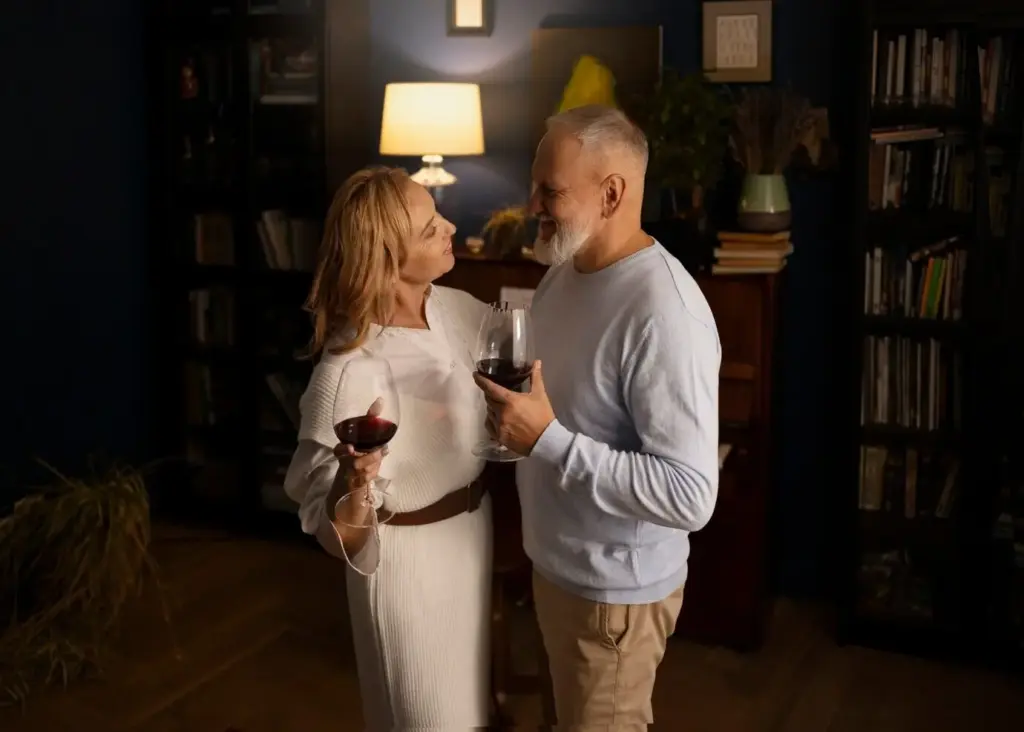
Open with two mid-tempo foxtrots, add a cozy waltz, then brighten with easy swing. Introduce a rumba before tea, save a short jive cluster for the peak, and cool down with a beloved ballad. Aim for four-minute averages, clear endings, and intentional breaths. Sprinkle dedications near transitions, and close with something everyone can hum on the walk to the coat rack.
Breathers, Tea Breaks, and Seating
Plan micro-rests every two or three songs, and a longer break for tea where conversation can bloom. Announce seating gently at intervals, acknowledging comfort needs without singling anyone out. Instrumental interludes or soft crooner pieces help heart rates settle. Keep chair routes wide, lighting kind, and doors easy to navigate. Rest is part of the dance, not a pause from joy.
Volume, EQ, and Hearing Aids
Target a level where vocals are clear at tables without shouting on the floor. Gently reduce 3–6 kHz harshness, bolster warm low-mids, and keep sub-bass restrained. Avoid sharp count-ins and clattering percussion. Check with regulars who use aids; their feedback is gold. When the spectrum feels soft, intelligible, and steady, conversations flourish and dancing becomes effortless rather than strenuous.
Floorcraft and Safety
Ensure smooth surfaces, taped cables, and thoughtful chair placement. Announce direction of travel for ballroom patterns and ask confident dancers to model courtesy. Keep water accessible, avoid strobing lights, and monitor door thresholds. A quick pre-event walk-through catches hazards. Safety transforms caution into courage; once fear fades, steps lengthen, frames relax, and the room moves as one attentive, joyful ensemble.
All Rights Reserved.