Spinning Memories and New Steps Together
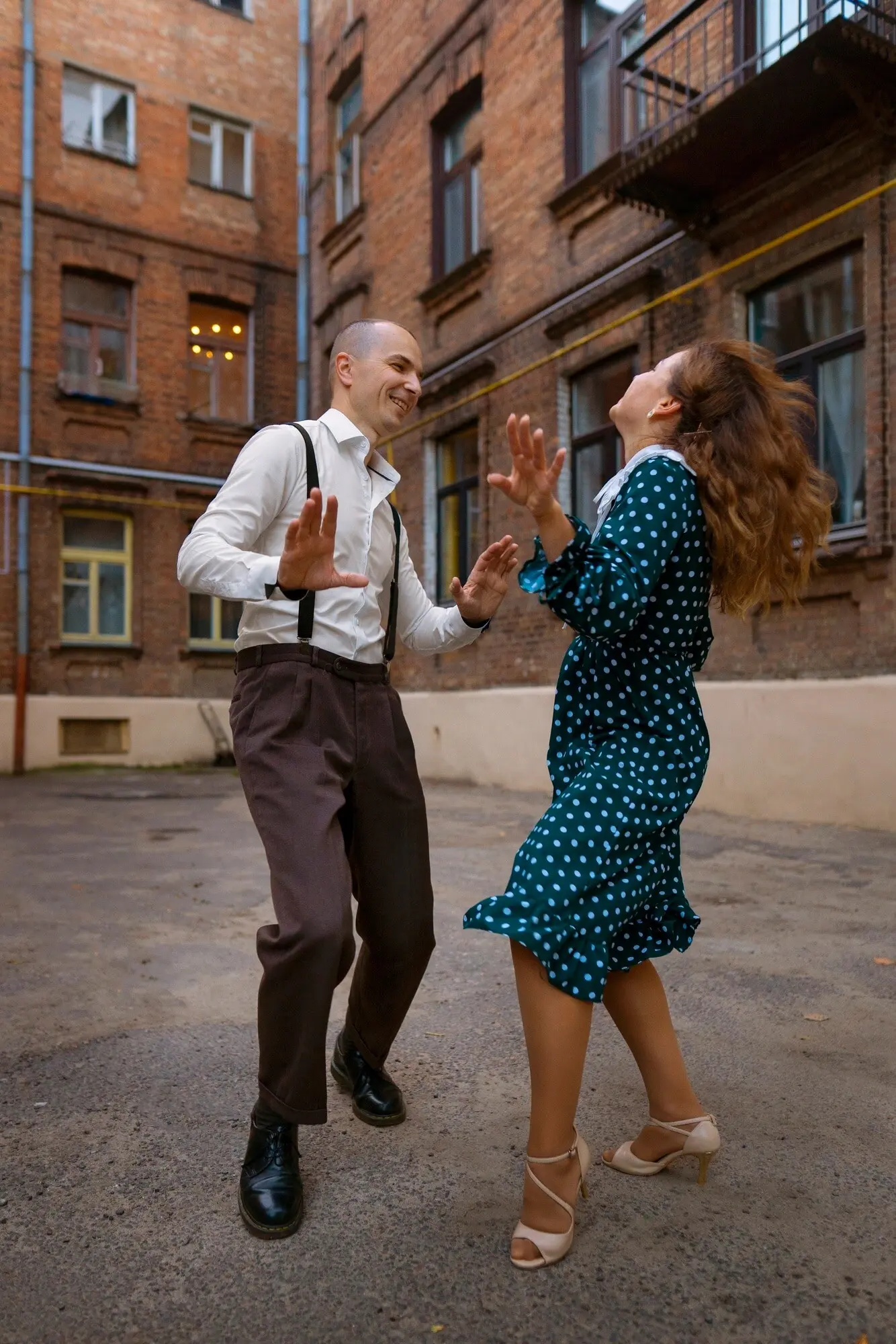
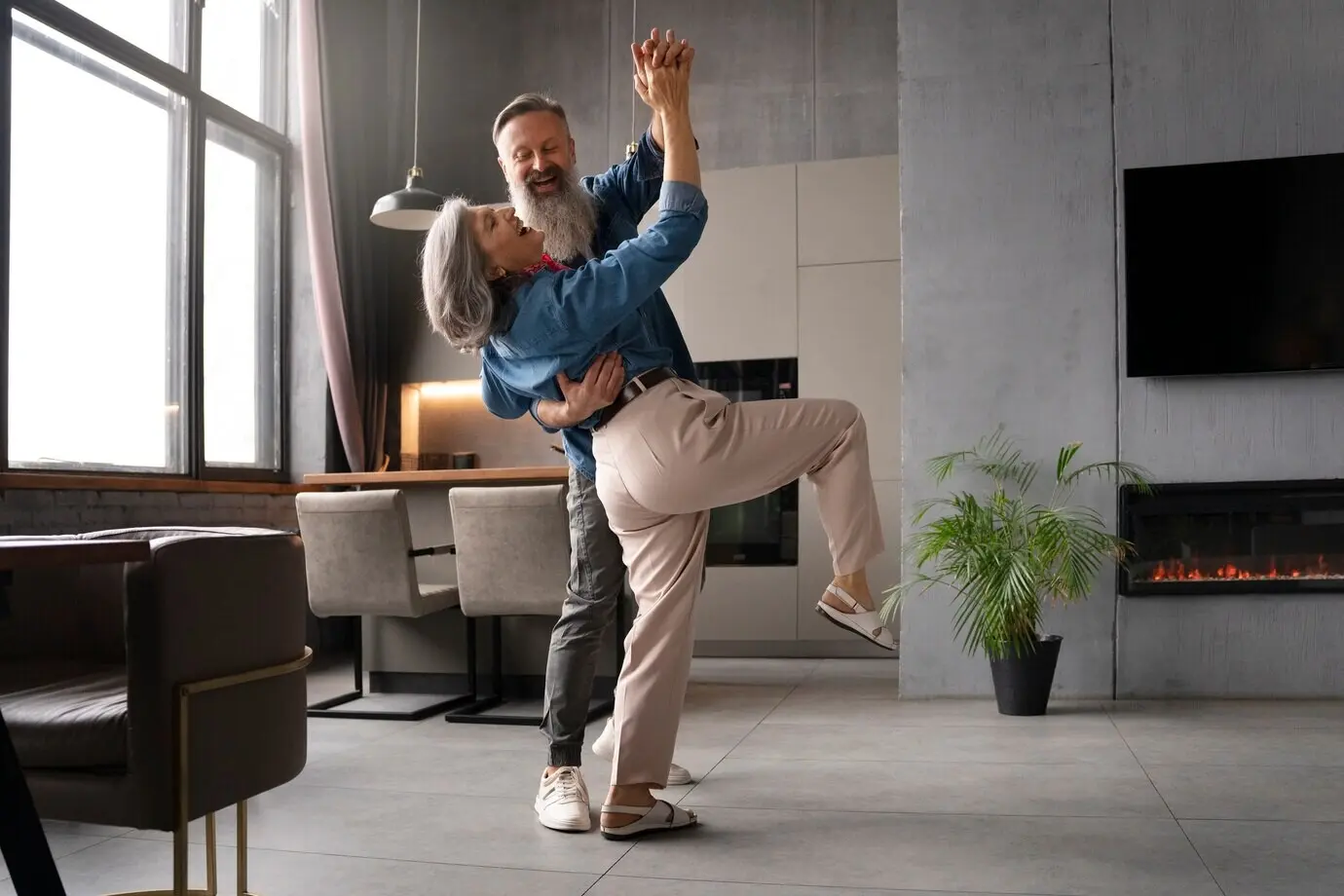
Today we celebrate intergenerational tea dance programs that connect youth and elders, weaving music, movement, and conversation into a welcoming ritual. Picture porcelain cups warming hands, swing rhythms meeting contemporary beats, and stories unfolding between steps. Expect practical guidance, heartfelt anecdotes, and ideas you can borrow, adapt, and share with your own community, school, senior center, or neighborhood hall, so this joyful bridge continues growing wider, kinder, and stronger with every dance.

A Tradition Reimagined

Tea dances have always been about elegance, connection, and rhythm, yet the magic multiplies when teens and older adults share the floor. Reimagining the format means adapting invitations, pacing, and customs so everyone feels seen. We blend gracious etiquette with playful experimentation, turning a familiar social ritual into a living, learning encounter where every cup poured and every step taken signals respect, curiosity, and the possibility of new friendships blooming across decades.

Listening Before Leading

Before playlists or posters, gather both age groups for honest conversations about energy levels, accessibility, and the kinds of music that feel like home. Youth often crave variety; elders value clarity, warmth, and continuity. Co-design meetings reveal shared priorities: welcoming hosts, comfortable seating, clear cues, and time for gentle practice. Listening early prevents avoidable friction later, and it tells every participant their hopes matter as much as their steps.

The First Cup, The First Step

A volunteer once arrived terrified to dance but eager to help pour tea. An elder guest noticed her trembling hands, cracked a joke about jittery kettles, and invited a quiet walk-through of a basic foxtrot. That tender, guided moment unlocked confidence neither expected. The lesson stayed: sometimes the first cup is the first step, and hospitality can soften fear more effectively than instruction alone, turning strangers into patient, joyful partners.

Co-Creation That Works

Successful programs invite both generations to co-create traditions. Let teens design colorful signage, playlist transitions, and social media invitations, while elders curate dance cards, etiquette moments, and historical tidbits about ballroom culture. Shared ownership encourages responsibility without overpowering anyone’s voice. The result is a gathering that feels handcrafted and inclusive, where small rituals—name badges, welcome songs, gratitude circles—become steady anchors people look forward to as much as the music.

Music as a Bridge

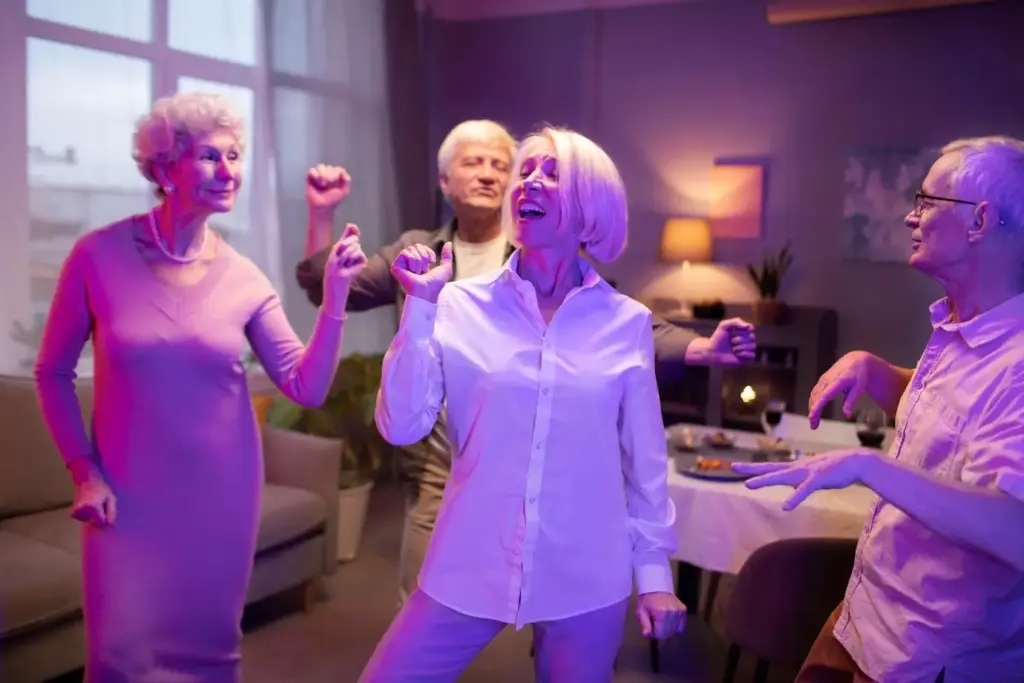
Music unlocks memories and creates shared momentum. A clever musical arc can move from big band classics to Motown, disco, and contemporary pop without alienating anyone. Instead of arguing over eras, we trade stories: why this crooner mattered, who first taught that step, what lyric lit up last semester’s prom. Bridging decades becomes a creative challenge the whole room enjoys, making transitions feel like discoveries rather than compromises or concessions.

Movement for Every Body

Accessibility begins on the dance floor. Replace assumptions about youth agility or elder frailty with a welcoming spectrum: standing, supported, or seated—every style counts. Keep instructions bite-sized, demonstrate slowly, and normalize pauses. Offer dance buddies trained to mirror at a comfortable pace, and use visual cues sprinkled across the room. When everyone sees their body as right for the moment, confidence rises, laughter spreads, and participation grows organically and sustainably.

Accessible Venues, Clear Paths

Map entryways, ramps, and elevators in advance, then share that information on invitations to reduce anxiety. Tape subtle floor markers for navigating safely, and keep dance lanes wide enough for mobility aids. Consider softer chairs with arms at varied heights, and provide water stations near seating. Thoughtful logistics are love made visible, proving that hospitality is not just a greeting but a steady, reliable infrastructure supporting every participant’s independence and confidence.

Tea, Treats, and Culinary Memory

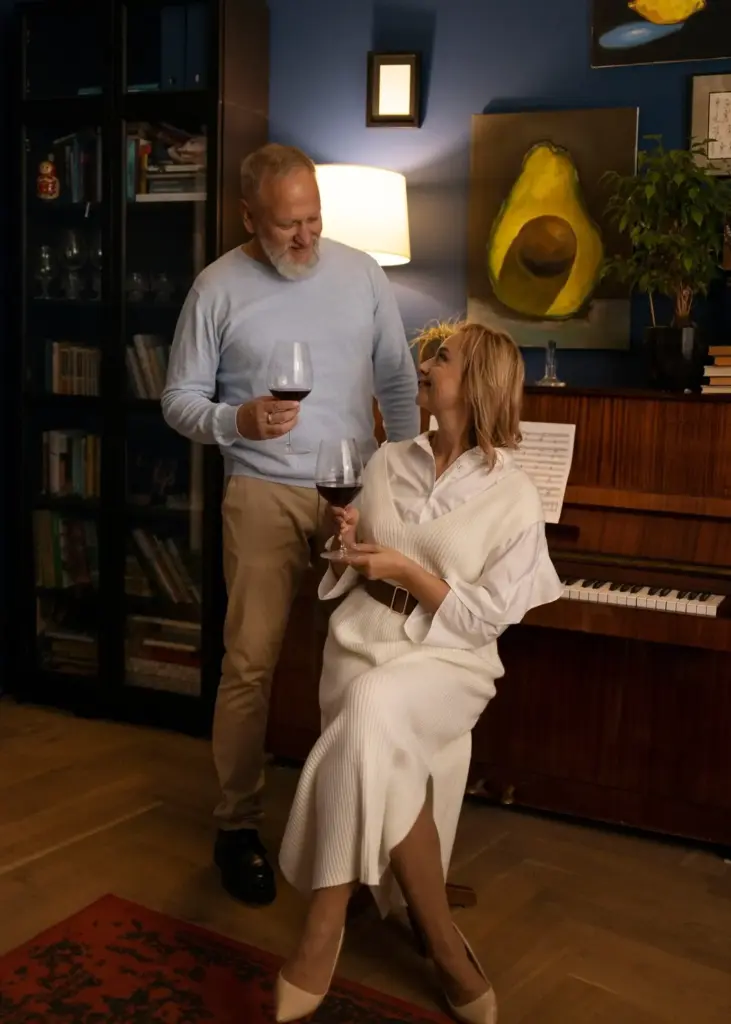
Snacks can be conversation starters. Offer classic biscuits alongside youth-baked cookies, herbal options for caffeine-sensitive guests, and clear allergy labels. Invite someone to share a short story about a family tea ritual or a dancehall café from decades past. Taste unlocks memory, and memory invites empathy. Provide reusable cups to reduce waste and enlist teens as table hosts, turning refreshment breaks into intentional moments of care, gratitude, and cross-generational storytelling.

Decor that Sparks Stories

Scatter memory prompts across tables: dance-step diagrams, vintage ticket stubs, costume sketches, and lyric cards. Place eras on different tables so guests can mingle through time. A photo backdrop with feathered fans or bow ties can feel festive without excluding anyone. Keep lighting warm, not blinding, and let a discreet bulletin board display upcoming sessions and participant shout-outs. The room becomes an invitation to contribute, not just a stage to occupy.

Spaces That Welcome

The right room feels like a hug. Choose venues with natural light, accessible restrooms, level floors, and clear seating zones. Sound should fill the space without swallowing conversation. Refreshment tables invite lingering, not rushing. Signage guides guests gently. Thoughtful décor—photos, postcards, vintage playbills—turns the room into a living scrapbook. When place supports dignity and ease, participants relax faster, listen more generously, and are likelier to return with friends.

Care, Consent, and Safety

Trust is the choreography holding everything together. Clear consent language, safeguarding protocols, and health considerations ensure joy remains centered. Explain expectations upfront: photography, touch, and privacy boundaries. Train volunteers to spot fatigue and offer graceful exits from the floor. Create incident response steps that feel calm, not punitive. When safety is overt yet unobtrusive, participants dance more freely, laugh more loudly, and carry the glow home with confidence and pride.

Safeguarding Done Right

Background checks, two-adult rules, and transparent supervision protocols protect both youth and elders. Use sign-in sheets, name badges, and clear roles so everyone knows who to approach with concerns. Offer anonymous reporting and follow-up within defined timelines. Make expectations visible through posters and short affirmations at the mic. Safety becomes a shared promise rather than a whispered worry, strengthening the community’s resilience and holding space for genuine connection to flourish.

Health, Pace, and Gentle Exits

Encourage comfortable shoes, hydration, and personal pacing. Establish a visible rest zone with quiet seating and easy access to water, fans, and first-aid. Provide cue cards that politely decline dances without hurt feelings. Volunteers can escort guests to seats, match energy levels during songs, and explain variations to reduce strain. Normalize stepping out mid-track, reframing breaks as smart self-care. A well-timed pause is simply another kind of graceful movement.

Measuring Belonging and Connection

Use brief surveys before and after sessions to gauge belonging, mood, and perceived social support. Add story prompts on postcards for qualitative texture. Track repeat attendance as a proxy for emotional safety. Ask volunteers to note small wins: a new partner rotation, a longer stay, a requested song finally danced. Over time, patterns emerge that guide improvements and provide evidence for schools, funders, and families that the experience truly matters.

Youth Leadership Growth

Create rotating roles—MC, greeter, playlist curator, accessibility scout—and log competencies learned: public speaking, event timing, conflict navigation, and empathy in action. Invite youth to facilitate movement demos with elders’ coaching, documenting how feedback strengthens clarity. Reflection circles after events crystallize lessons and fuel motivation. As leadership grows, ownership deepens, and the program becomes less about service hours and more about a collaborative culture of care, courage, and creativity.

Elders’ Cognitive and Physical Benefits

Gentle choreography supports balance, coordination, and confidence, while music stimulates memory pathways linked to autobiographical recall. Track self-reported alertness, mood, and willingness to socialize. Encourage guests to teach a cherished step, reinforcing purpose and agency. Combine movement with conversation for dual-task benefits in a low-pressure environment. The result is dignified engagement that counters isolation, invites laughter, and helps bodies and minds remember their enduring capacity for rhythm and joy.
Vimivikaralifova
Privacy Overview

This website uses cookies so that we can provide you with the best user experience possible. Cookie information is stored in your browser and performs functions such as recognising you when you return to our website and helping our team to understand which sections of the website you find most interesting and useful.