Step Into Vitality Together

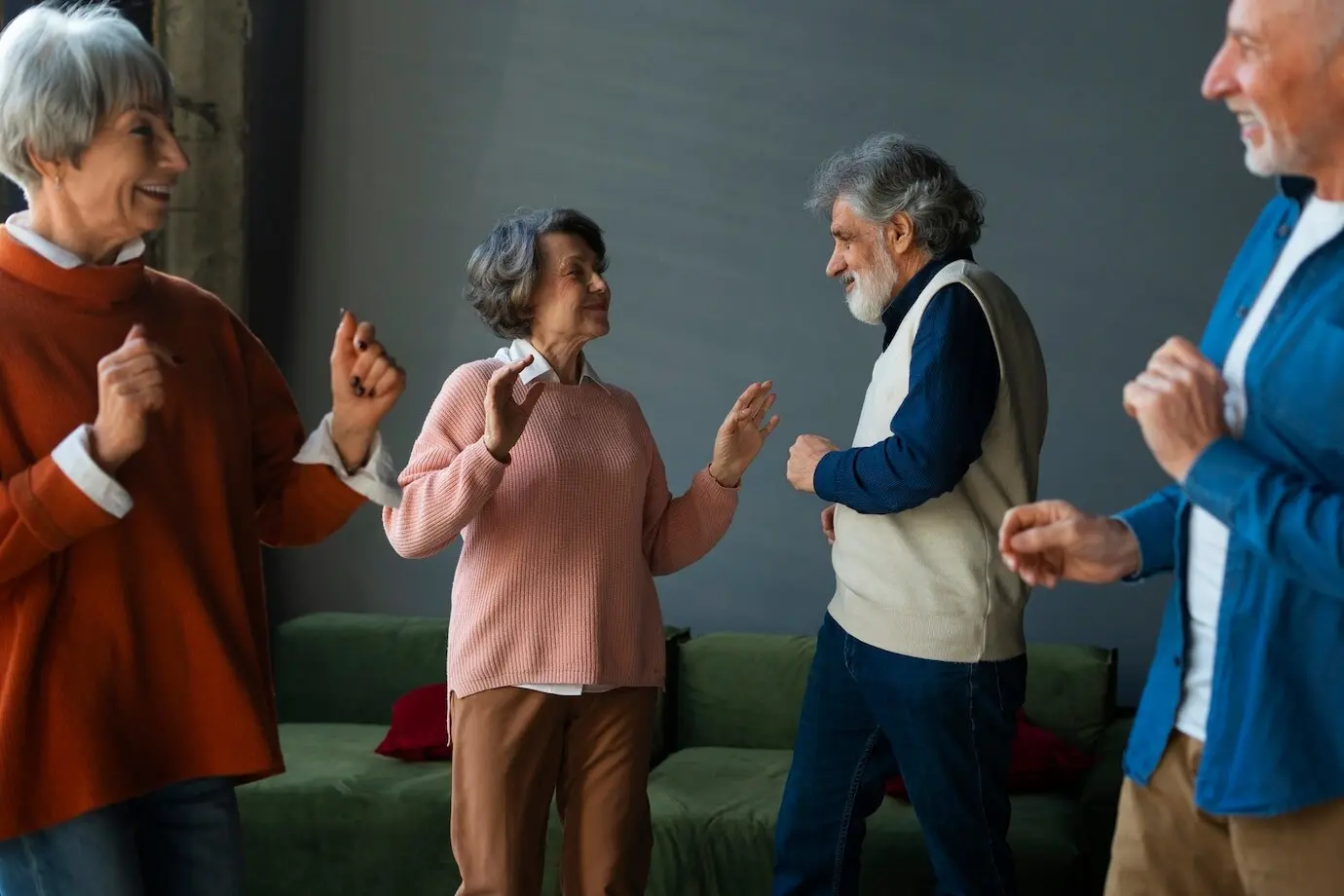
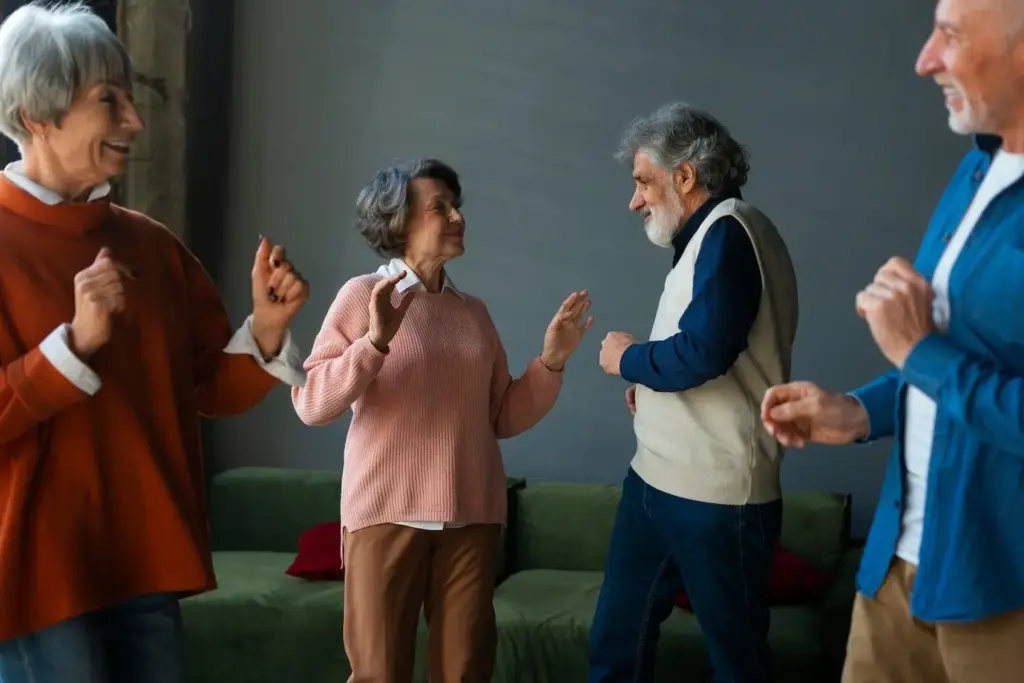
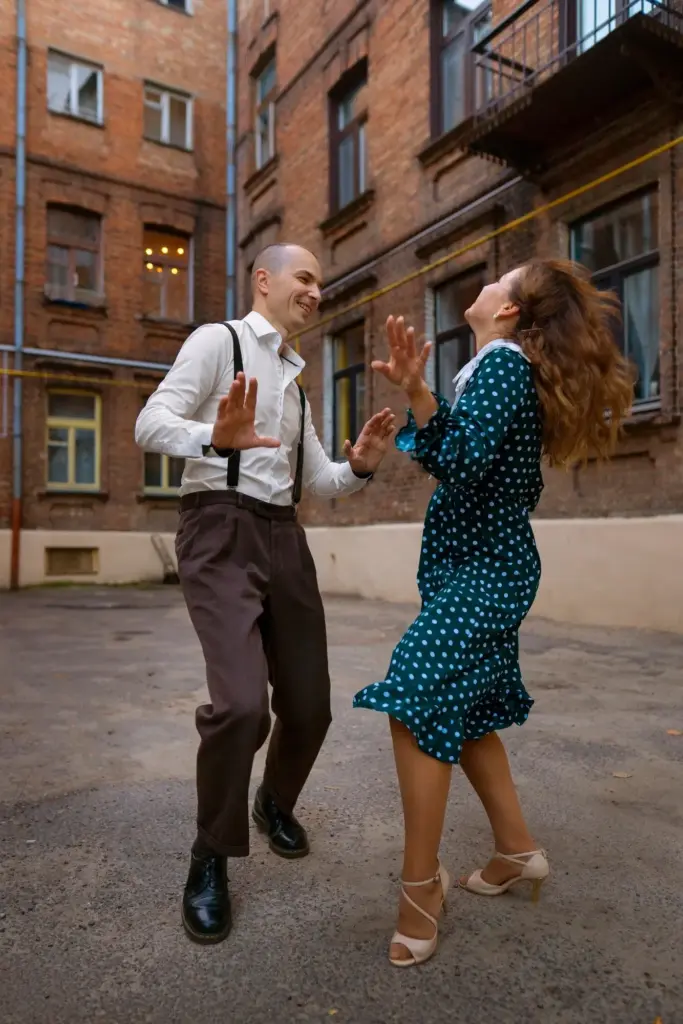
Today we explore the health and wellness benefits of social dancing for older adults, celebrating how music, movement, and friendly connection strengthen hearts, steady balance, sharpen memory, lift mood, and build community. Whether you are new or returning, these steps invite confidence, curiosity, and sustainable joy, proving that vitality grows when we move together with kindness, patience, and a playful spirit.

Hearts That Keep the Beat

Regular social dancing offers accessible, moderate-intensity activity that supports cardiovascular health without monotony or strain. Rhythmic patterns elevate heart rate safely, improve circulation, and build endurance while the music makes effort feel natural and fun. Many older adults report more consistent participation because classes feel like celebrations, not workouts, turning wellness into a weekly highlight that invites commitment and lasting change.

Gentle Cardio Without the Grind

Instead of forcing long treadmill sessions, dancing guides the heart through intervals of varied steps, natural pauses, and musical surges. These waves build stamina while respecting comfort and mobility. Partners and group energy encourage just enough challenge, creating momentum that keeps you returning, gradually raising your baseline fitness without overwhelming stress or dreary routines.

Circulation, Blood Pressure, and Energy

Alternating slow and faster sequences helps blood vessels respond more flexibly, supporting healthier blood pressure over time. As circulation improves, many dancers notice warmer hands and feet and steadier daytime energy. The pleasant fatigue after class feels earned and uplifting, encouraging restful sleep, brighter mornings, and renewed confidence to schedule more movement throughout the week.

Breath, Rhythm, and Endurance

Coordinating steps with phrasing encourages deeper, steadier breathing, which feeds oxygen to working muscles and calms the nervous system. Over weeks, phrases that once felt breathless become comfortable. You learn to pace, glide, and recover between combinations, discovering a relaxed endurance that supports daily errands, joyful outings, and active time with friends or family.

Steady Steps, Strong Bodies
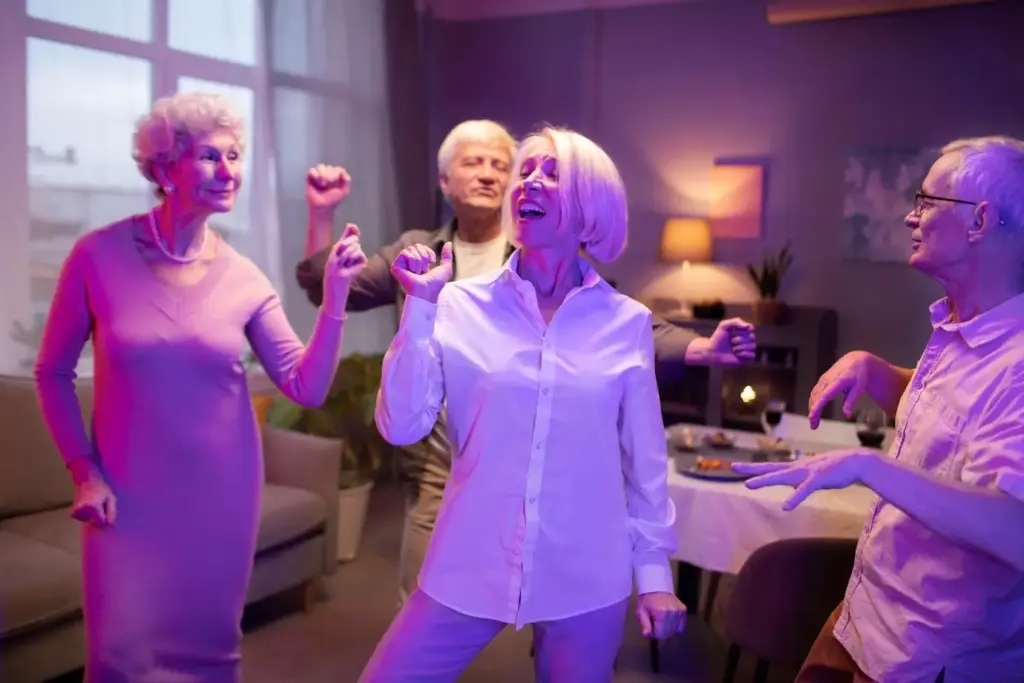
Balance improves when movement stays interesting and multidirectional. Social dancing trains ankles, hips, and core through controlled weight shifts, turns, and gentle changes in speed. Small muscles activate, posture organizes, and reflexes sharpen. The result is quiet strength you feel while carrying groceries, navigating curbs, or stepping confidently onto a bus, transforming ordinary moments into graceful opportunities.

Ankles, Hips, and Reactive Stability

Progressive steps challenge the body to respond quickly but safely, teaching ankles to articulate, knees to track, and hips to stabilize. This layered practice builds resilience for unexpected bumps or wobbles. Over time, your center of gravity feels trustworthy, allowing you to pivot, sidestep, or recover with calm assurance rather than bracing in fear or hesitation.

Posture, Core, and Joint Comfort

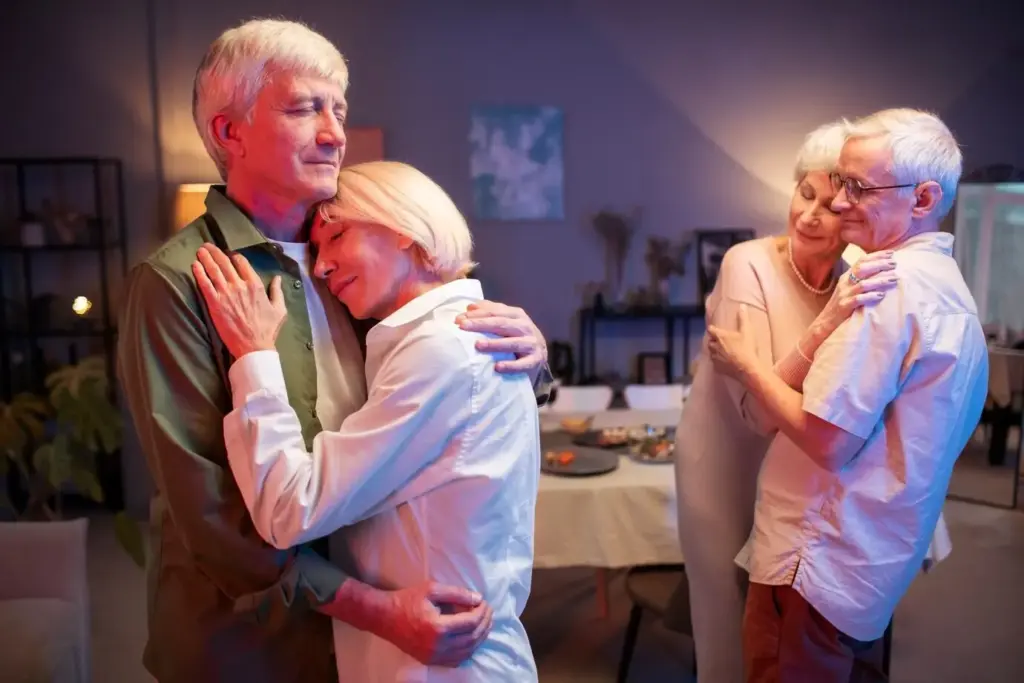
Partner frames and open holds invite lengthened posture, gently engaging the core without crunches or floor work. As alignment improves, joints experience cleaner pathways and less strain. Many dancers describe easier backs and happier knees, because movements spread through the whole body, sharing effort generously and replacing stiffness with organized, supportive, and pleasantly energized structure.

Sharper Minds Through Music and Motion

Learning patterns, responding to cues, and syncing with music creates powerful stimulation for memory and executive function. Dual-tasking—moving while listening, counting, and adapting—exercises attention in a playful way. Research and lived experience suggest that these challenges help preserve cognitive agility, while the joy of progress motivates consistent practice that reinforces neural pathways through meaningful repetition.

Learning Patterns Builds New Pathways

Memorizing sequences, then linking them into phrases, sparks and strengthens connections across brain regions. The delight of mastering a new combination creates emotional salience, helping knowledge stick. When your teacher switches the order, you practice flexibility, turning potential frustration into curiosity, creativity, and growing trust that your mind can adapt gracefully under gentle pressure.

Emotion, Music, and Lasting Recall

Music activates emotion centers that anchor memory with richness and color. A favorite song can cue steps faster than spoken instructions, weaving movement into melody. Even on forgetful days, rhythm helps recall return. This compassionate loop welcomes everyone, honoring that learning paced by feelings often outlasts facts delivered without warmth, urgency, or personal resonance.

Attention, Timing, and Playful Challenge

Quick visual checks, hand signals, and tiny weight shifts demand focused attention and responsive timing. Because these cues arrive inside a friendly atmosphere, the challenge feels like a game, not a test. Moments of surprise become sparks of laughter, reinforcing concentration while releasing tension, a combination that supports mental clarity long after class ends.

Mood Lifts and Stress Drops

Movement, music, and friendly contact release uplifting neurochemicals while dialing down stress hormones. Dancing offers structured joy: you know when it starts, you know you will be welcomed, and you know you will leave lighter. For many older adults, this dependable brightness replaces isolation with purpose, stitching regular happiness into the week’s calendar like a cherished promise.

From Isolation to Belonging

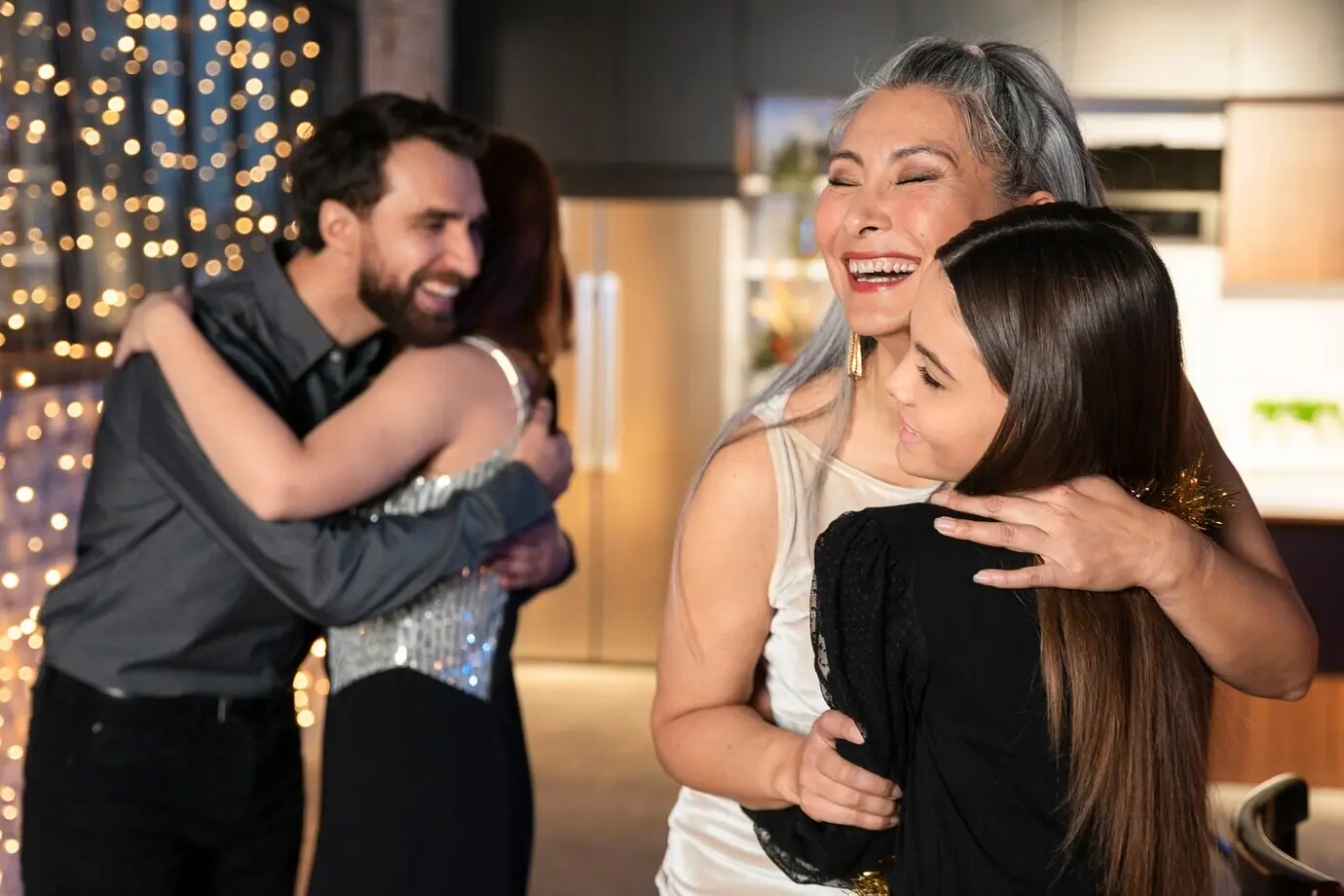
It is easier to show up when someone will notice your absence with care. Social dancing builds gentle accountability that feels like friendship, not pressure. Greetings at the door, partners who remember your progress, and shared laughter during mistakes turn an ordinary evening into belonging that steadily quiets loneliness and renews heartfelt optimism.

The Hormones Behind the Smile

Uplifting rhythms, light exertion, and kind touch support dopamine, endorphins, and oxytocin, while helping cortisol settle. This biochemical chorus brightens mood and softens anxious edges. You may feel clearer, kinder to yourself, and more patient with others, carrying that soft glow into conversations, errands, and restful sleep that gently repairs body and spirit.

Partners, Not Patients

In class, identities expand. You are a partner, a listener, a leader in learning, not a diagnosis. Clear etiquette—asking, thanking, switching—builds respect. When challenges arise, adaptations are collaborative, preserving independence. This shift from “what is wrong” to “what works” restores agency and invites meaningful participation at every age and ability level.

Stories Shared Between Songs

Between tracks, people trade recipes, travel tips, and memories of teenage dances. These small exchanges accumulate into trust, opening doors to help and companionship beyond class. A neighbor becomes a walking buddy; a fellow beginner becomes a confidant. Community grows quietly, like a melody you find yourself humming on peaceful afternoons.

Leadership and Giving Back

As confidence blooms, many older adults volunteer to greet newcomers, organize playlists, or host socials. Contributing skills—from baking to bookkeeping—deepens purpose. Leadership invites fresh identity: you are someone who uplifts others. That meaning radiates outward, sustaining attendance, strengthening clubs, and inspiring programs that welcome more people into movement, music, and mutual care.

Start Smart, Stay Joyful

Getting started can be simple and safe. Check with your healthcare provider if you have concerns, begin with shorter sessions, choose supportive shoes, and drink water. Most importantly, prioritize joy over intensity. When you leave class smiling, momentum builds naturally. Share your questions below, invite a friend, and subscribe for gentle guides, playlists, and local class highlights.
Vimivikaralifova
Privacy Overview

This website uses cookies so that we can provide you with the best user experience possible. Cookie information is stored in your browser and performs functions such as recognising you when you return to our website and helping our team to understand which sections of the website you find most interesting and useful.