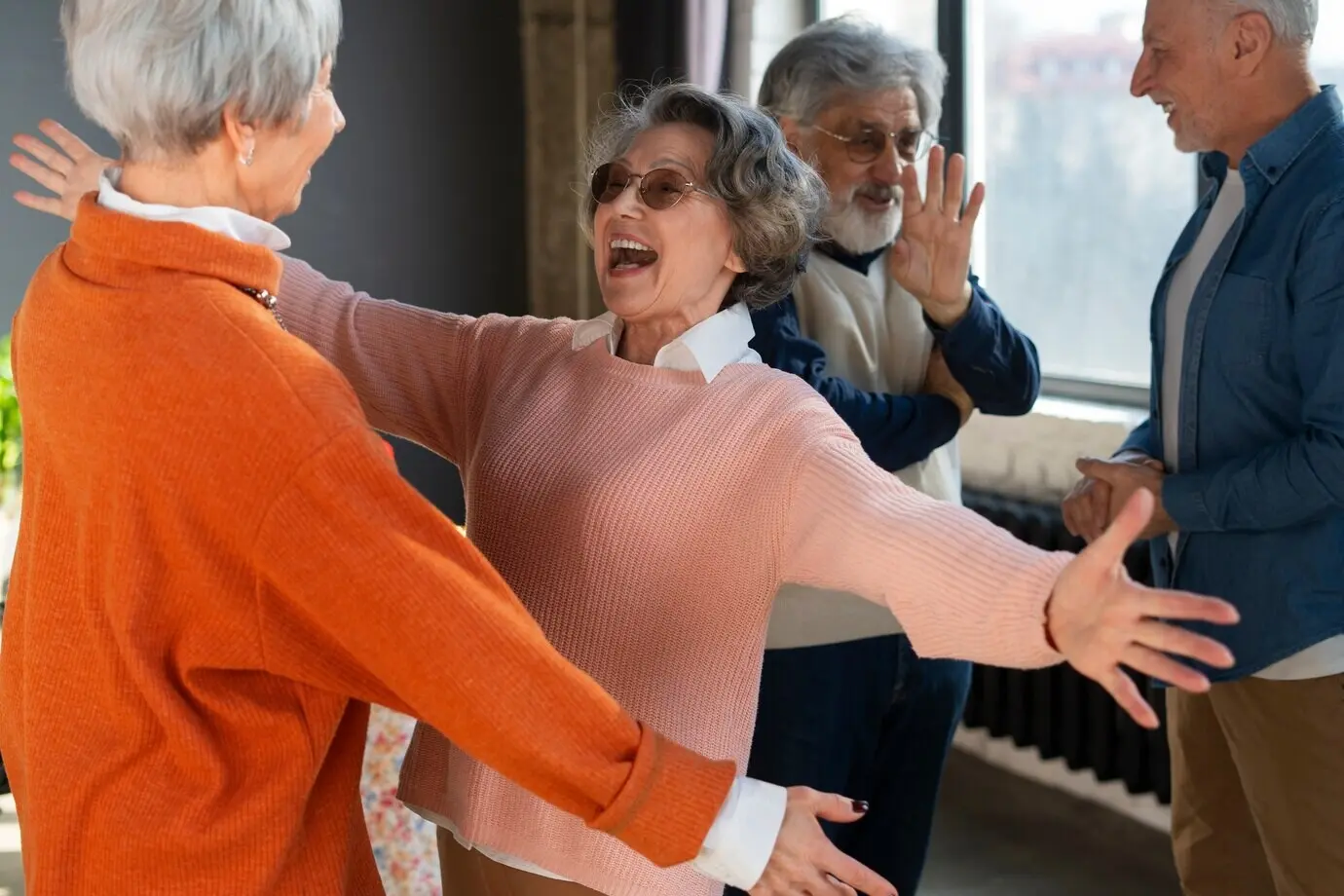
Move With Kindness: Adaptive Dance for Aging Bodies and Bright Spirits
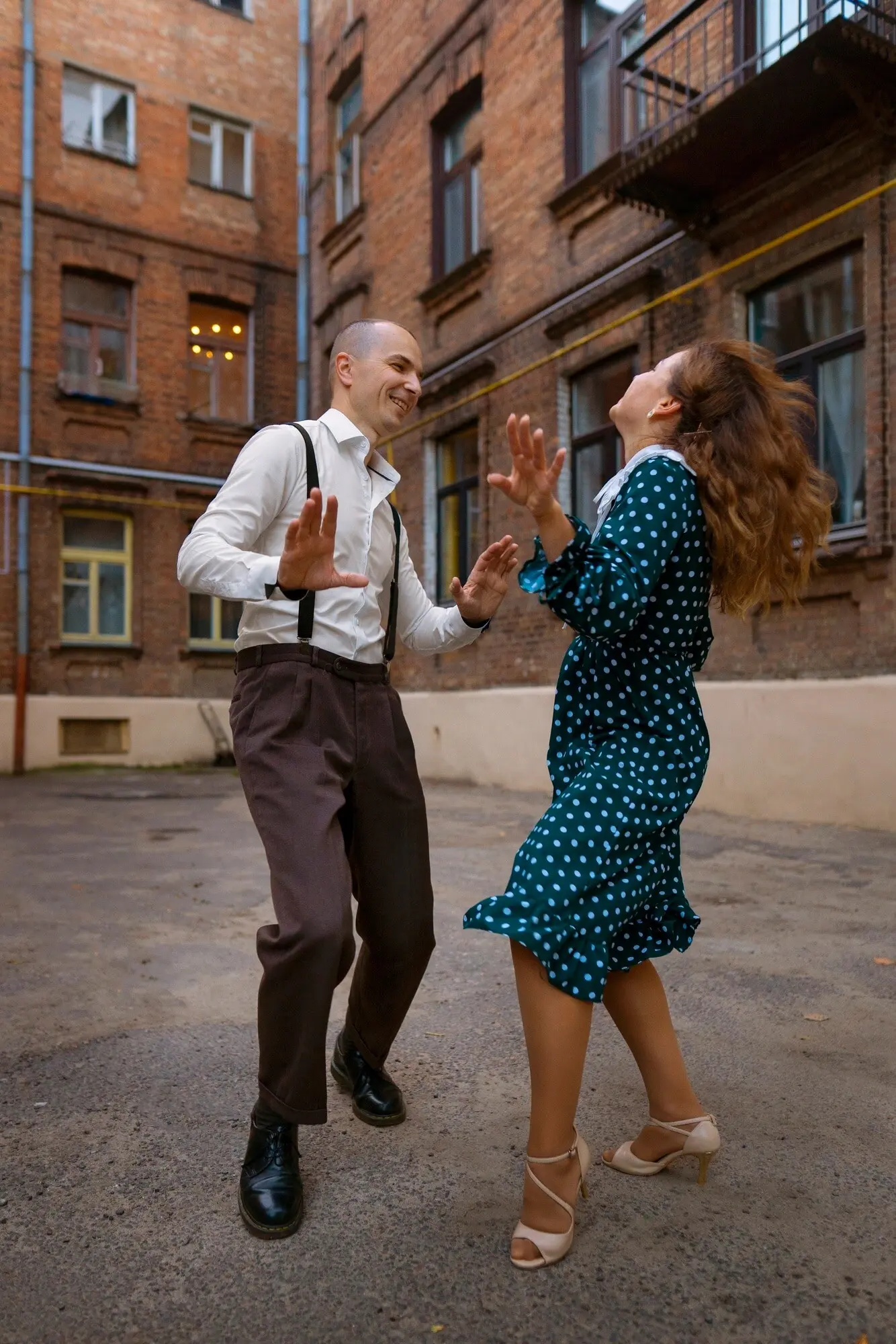
Today we explore adaptive dance techniques for seniors with limited mobility or dementia, honoring safety, dignity, and joy. Expect gentle movements, memory-friendly cues, cherished music, and inclusive options for chairs, walkers, or beds. Invite caregivers, family, and friends to join; no experience required, only curiosity and kindness.

Preparing the Space

Create a calm, clutter-free area with non-slip flooring, sturdy chairs with arms, and easy access to water. Keep walking aids nearby, ensure soft lighting, and reduce distracting noises. Place props within reach to minimize strain. A welcoming environment transforms small movements into joyful moments and encourages safe participation without fear.

Listening to Bodies

Invite participants to name sensations and preferences, honoring pauses, fatigue, and changing needs. Differentiate gentle stretch from sharp pain, adapt range immediately, and offer choices without pressure. Use short rest breaks, seated options, and slower tempos. When breath becomes uneven or attention wanes, simplify, breathe together, and return to comfort.

Care Partner Support

Care partners can amplify safety and connection by modeling movements, offering hand support, and mirroring smiles. Establish consent cues like a nod or thumb-up. Share responsibility for pacing, hydration, and emotional reassurance. Agree on simple signals to pause or continue. Encourage shared laughter, reinforcing dignity, autonomy, and genuine companionship throughout practice.

Seated Expressions: Chair-Based Movement That Sparkles

Seated dance becomes a canvas for expression when comfort leads and curiosity follows. With supportive chairs, participants explore fluid upper-body shapes, rhythmic foot patterns, and breath-led phrasing. Movements remain small yet meaningful, layering scarves or soft props for color. Share a favorite easy warm-up song in the comments to inspire others.

Memory-Friendly Cues: Rhythm, Repetition, and Recognition
One-Word Prompts

Use short, friendly prompts such as Reach, Wave, Tap, Clap, and Breathe. Speak clearly, gesture as you cue, and keep a steady count. Repeat each cue several times, then pause to smile and acknowledge success. Predictability reduces stress, strengthens participation, and nurtures memory through comforting, reliable invitation rather than complex instruction.

Musical Anchors

Use short, friendly prompts such as Reach, Wave, Tap, Clap, and Breathe. Speak clearly, gesture as you cue, and keep a steady count. Repeat each cue several times, then pause to smile and acknowledge success. Predictability reduces stress, strengthens participation, and nurtures memory through comforting, reliable invitation rather than complex instruction.

Visual Mirroring

Use short, friendly prompts such as Reach, Wave, Tap, Clap, and Breathe. Speak clearly, gesture as you cue, and keep a steady count. Repeat each cue several times, then pause to smile and acknowledge success. Predictability reduces stress, strengthens participation, and nurtures memory through comforting, reliable invitation rather than complex instruction.

Creative Props and Sensory Joy
Props can awaken curiosity without overwhelming the senses. Choose soft scarves, lightweight ribbons, foam balls, or gentle shakers that are easy to grip. Favor calm colors, simple textures, and friendly sounds. Rotate options thoughtfully, track preferences, and invite participants to choose. Share which prop delights you most so others can explore too.

Color and Texture

Gentle hues like soft blues or warm pastels calm the nervous system, while velvety or satiny textures invite touch. Avoid busy patterns that distract. Offer one prop at a time to reduce overload. Encourage participants to describe sensations, noticing comfort, curiosity, or calm. Texture becomes a quiet pathway to embodied storytelling.

Sound That Guides, Not Overwhelms

Choose soft shakers or small tambourines with muted jingles. Keep volume low and rhythm steady. Avoid sudden sounds that startle. Layer prop sounds with music only when attention is stable. If confusion appears, remove sound and return to breath. Sound should feel like a hand to hold, never a gusty push.

Safe Weight and Grip

Select props light enough for arthritic hands and limited endurance. Add looped handles or elastic bands for secure holds without squeezing. Keep alternatives nearby if fatigue rises. Demonstrate gentle release to avoid strain. Comfort-first choices transform tiny actions into meaningful dances, preserving energy while elevating confidence with every supported, successful gesture.

Small Groups, Big Connections

Community multiplies joy. Arrange circles for shared eye contact, use names often, and weave in conversational prompts. Keep routines inclusive for different abilities, inviting seated and standing options together. End with appreciation, perhaps tea and storytelling. Comment with favorite connection rituals; your ideas help new facilitators craft welcoming, heart-centered gatherings that last.

Circles and Partnerships

Form circles to equalize roles and encourage gentle mirroring. Pair neighbors for simple hand waves, scarf exchanges, or synchronized claps. Keep choices consent-based, with alternatives for touch-free comfort. Circle formats reduce isolation, create shared rhythm, and let everyone witness small victories—an uplifting chorus where individual voices remain respected and heard.

Rituals That Ground

Begin with a signature greeting song and end with a quiet gratitude breath. These rituals signal safety and structure, especially helpful for fluctuating attention. Repeat simple patterns weekly, adding tiny variations. Rituals become landmarks, easing transitions, inviting anticipation, and making each gathering feel like a familiar, welcoming home for movement.

Inviting Family Participation

Encourage family or friends to join, model patience, and bring meaningful songs. Provide a short guide explaining cues, pacing, and respectful assistance. Co-dancing strengthens bonds and offers respite through shared laughter. Ask visitors to share memories in the comments, building a living library of music, moments, and accessible movement ideas.

Designing Sessions That Adapt and Evolve

A thoughtful flow respects changing energy and attention. Plan short warm-ups, one expressive focus, and a soothing close. Keep choices abundant and instructions brief. Track preferences, note songs that spark smiles, and adjust weekly. Always prioritize consent, comfort, and joy. Share your favorite routine outline so our community can learn together.

Flexible Framework

Try a simple arc: welcome and breath, seated mobility, rhythmic play, gentle expression, then quiet reflection. Keep each segment short and optional. Offer alternatives and rest anytime. Flexibility invites success for varied abilities, making sessions resilient to mood shifts, fatigue, or medical appointments while preserving continuity and a sense of belonging.

Pacing and Fatigue

Use slower music, frequent micro-pauses, and water reminders. Watch for signs of strain—gripping, furrowed brows, breath holding—and respond by simplifying. Alternate active moments with stillness. Keep peak effort brief. End before exhaustion arrives, leaving participants refreshed. Thoughtful pacing protects safety, honors dignity, and cultivates trust in the process over performance.

Celebrating Progress

Progress might be a steadier breath, a longer smile, or two extra toe taps. Document these moments in a simple journal. Share small wins aloud, inviting participants to notice what felt good. Celebration reframes ability, nourishes motivation, and reminds everyone that meaning grows from consistent, compassionate attention to tiny steps.
Vimivikaralifova
Privacy Overview

This website uses cookies so that we can provide you with the best user experience possible. Cookie information is stored in your browser and performs functions such as recognising you when you return to our website and helping our team to understand which sections of the website you find most interesting and useful.